

A budget doesn’t only say how much to spend. Above all, it decides how long you can go for, at what pace, and with how much margin to keep choosing.
When I was preparing to leave for six months in Southeast Asia, I had one simple figure in mind: €1,000 a month. That seemed enough to live decently without seeking luxury, while keeping some margin.
Six months later, that figure was still roughly right. But it had taken on a different meaning. I understood that a budget doesn’t just depend on the price of housing, meals, or transport. It depends above all on the life you’re actually living there.
Staying several weeks in a Lombok village doesn’t cost the same as changing islands every ten days. A quiet stretch in a local guesthouse doesn’t look like a week packed with sightseeing, cafés, and travel. Even loneliness can change your spending: when the need to see people kicks in, you go out more, eat out more often, or choose a livelier neighbourhood.
With the amount I have, how long can I really travel, and under what conditions?
THE ESSENTIALS
What €6,000 buys on the ground
€6,000for day-to-day life
€900 to €1,100a month on average
5 to 7 monthsdepending on pace and comfort
These figures come from six months between Indonesia, Thailand and Malaysia. The amount covers life on the ground. It does not include the round-trip flight between France and Asia, nor the costs incurred before leaving.
Go straight to
Building your monthly budget
After six months between Indonesia, Thailand and Malaysia, my day-to-day living budget came out to around €6,000, or about €900 to €1,100 a month.
What the €6,000 covers
- housing;
- food;
- scooter and fuel;
- local transport;
- cafés, restaurants and outings;
- activities and small everyday expenses.
What it doesn’t always cover
- the round-trip flight from France;
- travel insurance and visas;
- gear bought before leaving;
- expenses kept up in France;
- some domestic flights;
- an emergency or return-trip reserve.
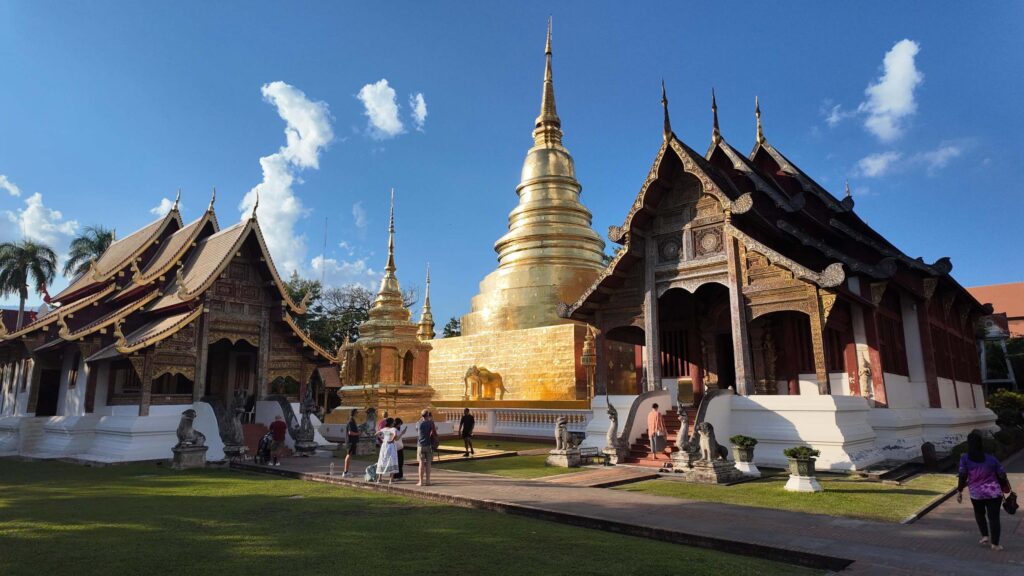
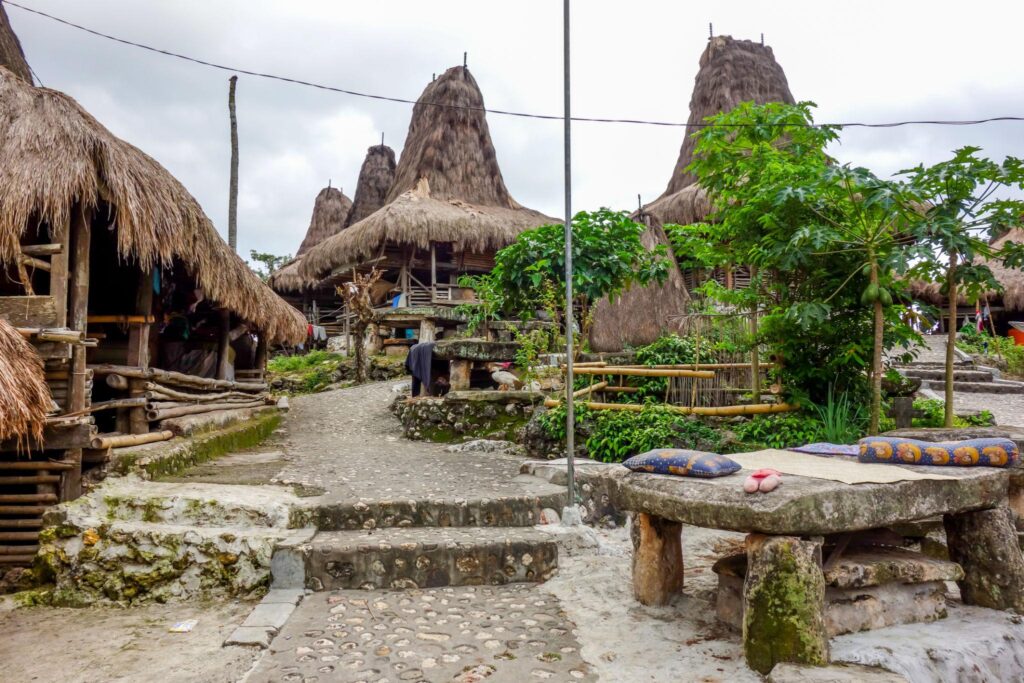
In Sumba, for example, the budget shown corresponds to the cost of the time spent on the island, excluding the flight to get there.
To prepare a departure, you need to separate three envelopes:
- the costs needed to leave;
- the living budget on the ground;
- the safety reserve.
My main benchmarks on the ground
These figures reflect my personal experience, travelling alone, with simple but decent comfort.
| Place and pace | Observed monthly budget |
|---|---|
| Lombok, fairly slow pace | €850 to €950 |
| Sanur, simple and stable life | €800 to €850 |
| Sanur, more social period | €1,050 to €1,100 |
| Sumba, more mobile stay | about €960, excluding flight |
| Northern Thailand | €1,050 to €1,100 |
In Kuala Lumpur, a week lived at a more touristy pace worked out to about €1,800 once extrapolated over a month. That figure isn’t a reference monthly budget: it mainly shows the effect of a short stay, without negotiated rates, with more sightseeing, transport and eating out.
Choosing your comfort level
It’s possible to live on very low amounts in some parts of Southeast Asia. But you need to separate what’s technically possible from what actually stays viable over several months.

| Monthly budget | Possible lifestyle | Main limitation |
|---|---|---|
| €500 to €700 | Long-term housing, local life, very little travel | Fragile budget, almost no margin |
| €800 to €1,000 | Economical, stable life, a few outings | Requires traveling slowly |
| €1,000 to €1,200 | Balance between stability, comfort, outings and travel | Range closest to my own experience |
| €1,200 to €1,500 | More mobility, comfort and flexibility | More flexible, without necessarily being luxurious |
Between €500 and €700: possible, but fragile
In some less touristy areas, this amount can be enough with housing negotiated over the long term, local food, very little travel, and free activities.
But the margin is thin. A change of housing, a visa extension, a health issue, or an unplanned trip can quickly throw off the month.
This minimal budget can sometimes let you stay. It doesn’t necessarily guarantee much freedom to decide.
Between €800 and €1,000: workable at a slow pace
This range matches my simplest, most stable periods.
It usually allows for decent housing outside the most touristy areas, varied local food, a scooter or simple transport, a few outings, and a small capacity to adjust.
It works best when you stay in the same places for several weeks.
Between €1,000 and €1,200: the most realistic balance
This is the range that best matches my overall experience.
It allows for alternating between settled periods, some travel, a reasonable social life, activities, and simple but decent comfort.
It’s probably the most realistic scenario for a long stay that’s neither fully static nor lived as a string of vacations.
Between €1,200 and €1,500: more flexibility
This envelope makes it easier to change location, occasionally take better housing, use more transport, or deal with the unexpected.
It doesn’t necessarily mean a luxurious life. It mainly offers more freedom to adjust the trip.
Turning your budget into duration
The table below only covers money actually available to live on once there. The international flight, insurance, visas, gear and safety reserve should already have been paid for or set aside.
| Money available on the ground | At €900/month | At €1,100/month | At €1,300/month |
|---|---|---|---|
| €4,000 | about 4.4 months | about 3.6 months | about 3 months |
| €6,000 | about 6.7 months | about 5.5 months | about 4.6 months |
| €9,000 | about 10 months | about 8.2 months | about 6.9 months |
These figures aren’t a program to follow. They show that the same budget can fund several different projects.
With €4,000
About four months at a slow pace, or three months with more travel and comfort.
With €6,000
About six months with several long bases, five months with more comfort, or four to five months in a more mobile mode.
With €9,000
A longer stay, but also more flexibility: occasionally better housing, a more expensive destination, or a less constrained pace.
So a bigger budget isn’t only useful for extending the trip. It also lets you adapt it better.
What actually makes spending vary
In my experience, the country chosen wasn’t always the main factor. The pace of life often mattered more.
Mobility often costs more than the place
Every move adds expenses:
- transport;
- housing booked for a few nights;
- meals eaten out;
- transfers;
- activities;
- transition days.
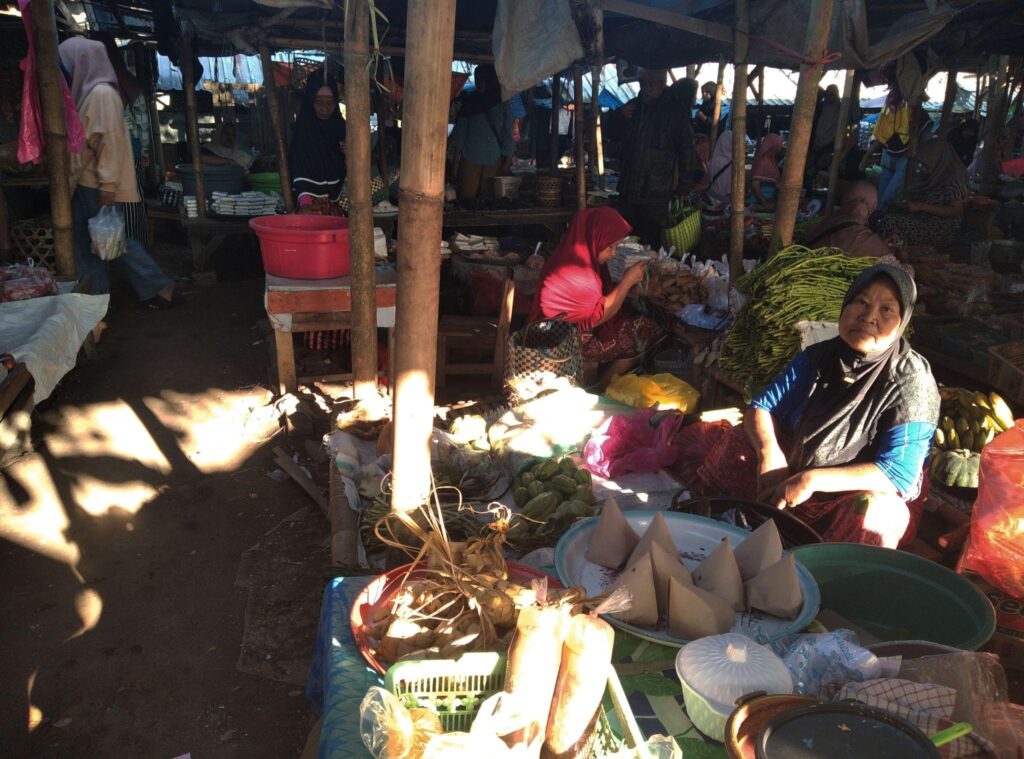
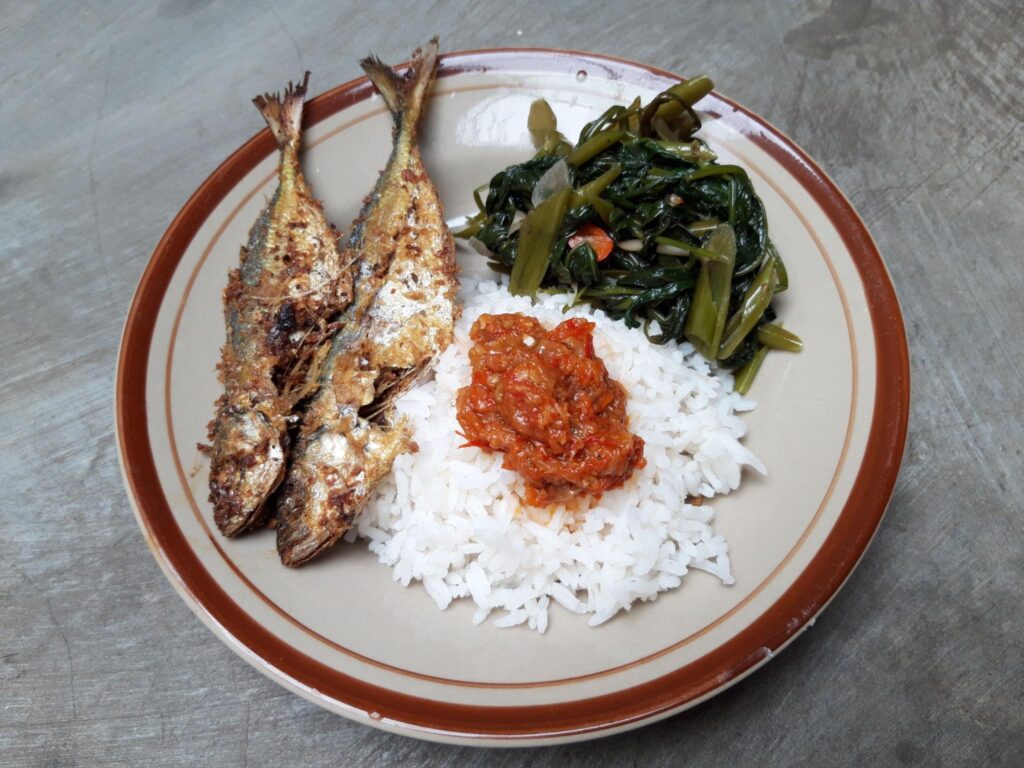
In Tetebatu, Lombok, my daily life was fairly stable. I stayed in simple local housing, ate mainly at warungs, and got around by scooter. My budget hovered around €900 a month, without living austerely.
Conversely, a destination reputed to be cheap, like Sumba, can become expensive if it requires several flights, a driver, organised excursions, or frequent changes of housing.
Staying several weeks in the same place lets you negotiate housing, get to know local shops, and avoid some of the costs tied to transitions.
Comfort varies over time
It’s possible to live simply for several weeks without always choosing the cheapest option. After a more rough-and-ready stretch, I sometimes needed quieter housing, better internet, or simply somewhere to recover.
These occasional expenses aren’t necessarily mistakes. A realistic budget also needs to account for fatigue and changing needs over the course of the trip.
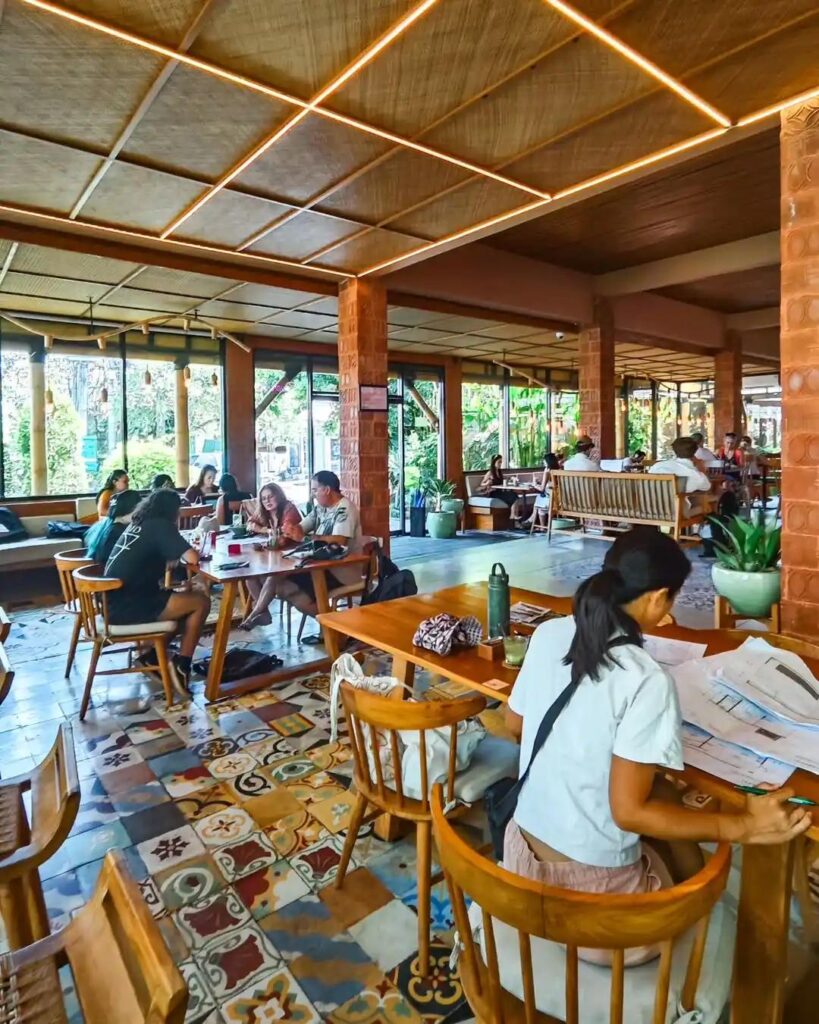
Social life has a cost too
In Sanur, my life was at first very stable: monthly housing, local meals, few outings, and limited travel. My budget sat around €800 to €850 a month.
Without changing housing, I then started going to more cafés and restaurants, went back to the gym, and accepted more invitations. The budget rose to around €1,050 to €1,100 a month.
That wasn’t luxury. It was mostly the cost of a less solitary life.
A very tight budget can let you stay longer. But it can also limit encounters, activities, and the ability to change setting when the need arises.
Calculating the money actually available
A common mistake is dividing your whole savings by the number of months you want. For example:
I have €6,000. So I can leave for six months at €1,000 a month.
This math only works if the ticket, insurance, visas, gear and unexpected costs have already been covered. The more useful formula is:
Total budget available
– departure costs
– safety reserve
= money actually available on the ground
Example
You have €8,000. You set aside:
- €1,000 for the flight and departure costs;
- €1,500 as a safety reserve.
That leaves €5,500 to live on. That’s roughly:
- six months at a budget close to €900;
- five months at a budget close to €1,100;
- a bit over four months at a budget close to €1,300.
The starting capital is the same. But the possible project changes depending on the pace you choose.
The reserve protects your freedom to decide
The safety reserve shouldn’t be used to artificially extend the trip. It should stay available to:
- buy or change a return ticket;
- leave housing or a place that’s stopped working for you;
- deal with a health issue;
- replace essential gear;
- change region or country;
- fund the transition after coming home.
Its size depends on your personal situation. Someone who keeps regular income, housing, or a fallback option doesn’t have the same needs as someone leaving with only limited savings.
The key is not to reach a point where lack of money prevents you from coming home or changing plans.
This reserve doesn’t just protect against an emergency. It protects your ability to choose.
PRACTICAL TOOL
Testing your plan with the Asia Budget calculator
I built this calculator from my own spending and the main expense categories of a long stay.
- set your starting budget;
- estimate your monthly expenses;
- change the duration and compare several scenarios;
- measure the effect of housing, transport and activities;
- check whether your project still fits within your reserve.
.xlsx file — Excel, Numbers or LibreOffice. It helps you test several scenarios rather than handing you a ready-made answer.
What these six months taught me
After six months, €1,000 a month remains a realistic benchmark, as long as you travel slowly and alternate stable periods with a bit of movement.
The budget mainly rises when you move around more, look for more comfort, or your life becomes more social. It drops when you stay long enough to negotiate housing and settle into a daily rhythm.
On top of this monthly envelope, you should always add departure costs and a safety reserve.
A stretch at €800 a month isn’t necessarily freer than one at €1,200. It all depends on what you have to give up to keep that budget.
The right budget isn’t just the one that lets you leave. It’s the one that still lets you choose once you’re there.
Leave a Reply